
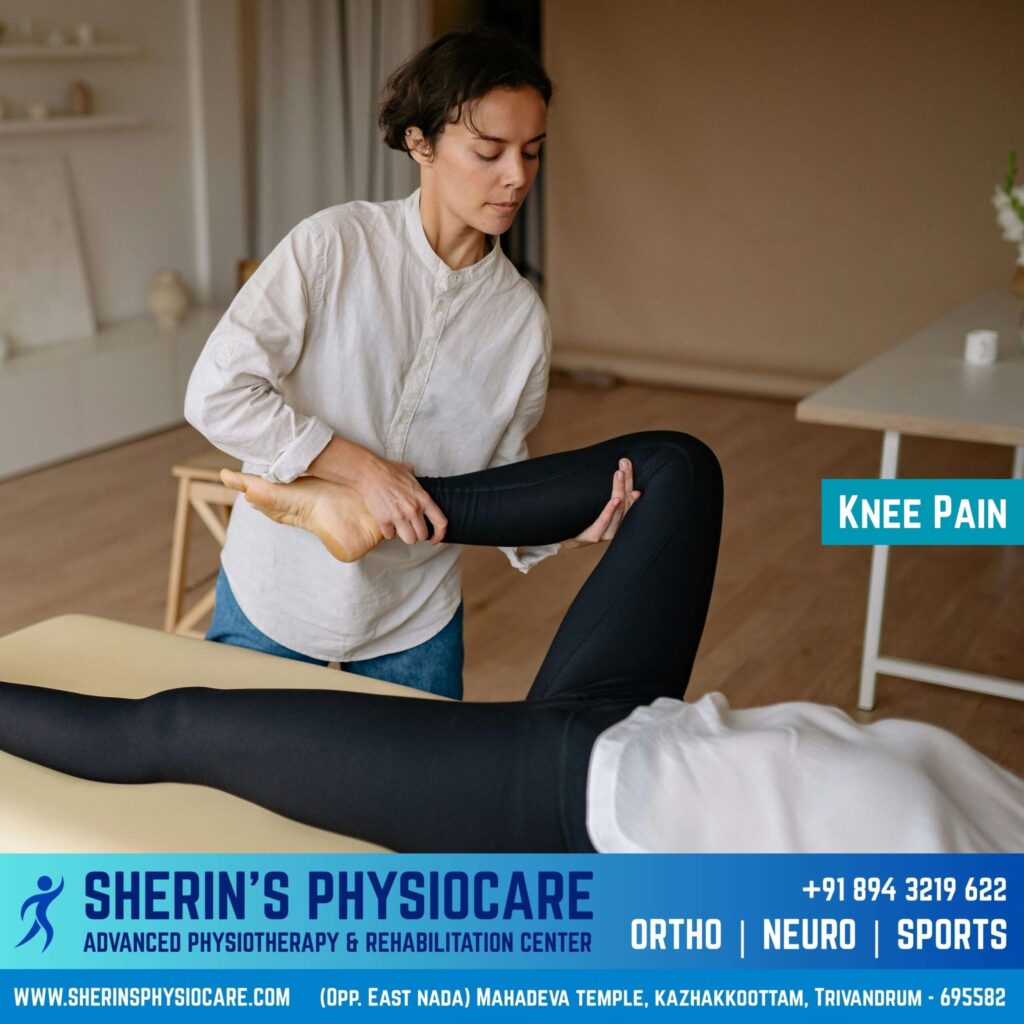
Knee Pain — Causes, Relief & Physiotherapy Treatment
Knee pain often occurs due to injury, arthritis, or post-surgical weakness. Physiotherapy focuses on restoring joint strength, improving flexibility, and enhancing mobility. By combining manual therapy, muscle re-education, and functional exercises, knee physiotherapy helps reduce pain and promotes safe, long-term recovery.
Conditions Treated
- Knee Osteoarthritis / Degenerative Knee
- ACL / PCL Ligament Injury
- Meniscus Tear / Cartilage Injury
- Patellofemoral Pain Syndrome (Runner’s Knee)
- Chondromalacia Patellae
- Knee Stiffness (Post Fracture / Surgery)
- Post Total Knee Replacement Rehab
- Ligament Sprain / Strain
What Causes Knee Pain?
Knee pain often develops from overuse, injury, or gradual wear and tear. Common causes include osteoarthritis, ligament injuries (ACL, PCL), meniscus tears, or patellofemoral pain syndrome. Poor posture, weak thigh muscles, or improper alignment can also strain the knee joint. Physiotherapists assess the root cause, helping to restore balance and support joint function effectively.
How Do I Know If My Knee Pain Is Serious?
Knee pain may require professional evaluation if you experience:
- Swelling, warmth, or redness around the knee
- Pain during walking, running, or climbing stairs
- A clicking or locking sensation
- Feeling of instability or giving way
- Difficulty bending or straightening the knee
If these symptoms persist, it’s important to consult a physiotherapist for proper diagnosis and treatment.
What Can I Do to Relieve Knee Pain at Home?
Simple steps can help ease mild to moderate knee pain:
- Apply ice packs for swelling or heat therapy for stiffness
- Avoid deep squatting or kneeling
- Maintain a healthy weight to reduce joint load
- Use supportive footwear to improve alignment
- Perform light range-of-motion exercises daily
Gentle activity keeps the joint flexible while preventing stiffness.
What Are the Best Exercises for Knee Pain?
Physiotherapy exercises are designed to strengthen surrounding muscles and improve stability:
- Quadriceps sets: Strengthen thigh muscles to support the knee
- Straight leg raises: Build stability without straining the joint
- Hamstring stretches: Improve flexibility and balance
- Mini squats or step-ups: Enhance joint control safely
- Glute activation exercises: Help correct lower limb alignment
A physiotherapist customizes these exercises based on your condition and pain level for optimal recovery.
When Should I See a Physiotherapist for Knee Pain?
If your pain persists for more than a few days, limits walking, or follows an injury, seek physiotherapy. Early treatment can prevent long-term joint stiffness, speed up healing, and improve strength — especially after surgery or ligament injuries.